
This publication examines the deception employed by Ghana’s two major political parties, the National Democratic Congress and the New Patriotic Party, towards the public. The term “change,” often used in party manifestos and public speeches, suggests that an opposition party will implement significant improvements once elected to office. However, this is misleading and akin to propaganda. The reality is that both parties are similar in their pursuit of wealth and often appoint the ineptest officials and activists to positions that require specialized expertise.
When it comes to change, one observation I’ve made about the nation’s governments is their initial focus on who gets to live in the colonial houses located in affluent neighbourhoods, such as Cantonments. The benefits associated with these positions—salaries, perks like free accommodation, free water and electricity, per diem for foreign travels, sitting fees, entertainment allowances, and clothing allowances—are extensive and often not fully disclosed to the public. At party conferences and rallies, citizens are presented with a barrage of promises and party anthems, all interspersed with claims of a better future. However, these commitments seem to be forgotten almost immediately, as leaders often cite external shocks and austerity measures imposed by international financial institutions like the International Monetary Fund and the World Bank as excuses for inaction.
Blaming external factors for underdevelopment, as well as the government’s failure to fulfill campaign promises, has not stopped the government from its relentless pursuit of importing luxury vehicles for distribution among officials and party members. Politicians who once relied on taxis or hitchhiked have suddenly evolved into connoisseurs of high-end automobiles and fashionable clothing. Those who previously ate food from street vendors now frequent upscale restaurants in Osu and the Airport Residential Area. Individuals who used to consume soup from deep bowls at home have suddenly acquired the ability to read menus at plush dining establishments overnight. Some politicians and officials travel domestically and internationally solely to make political statements or enhance their resumes, all at the expense of the struggling nation.
Politics under the Fourth Republic represents a significant departure from the core values established by the nation’s founders, who prioritized unwavering service to the country. Today, the political landscape resembles a criminal enterprise, driven by individuals who pretend to serve the public but instead exploit their positions for personal gain. These so-called leaders often exhibit a warped sense of duty, focusing on enriching themselves and their families. A recent example of this is the arrest of Ohene K. Frimpong, the Member of Parliament for Asante-Akyem North, in the Netherlands at the request of the American government on charges of online fraud and money laundering. The Ghanaian government’s prompt response to provide him with consular and legal assistance highlights the troubling state of the nation—a country in decline, plagued by deep-rooted corruption.
To highlight some of the dysfunctions within the nation’s administration, we should examine the Foreign Service. Once regarded as the pinnacle of postcolonial African foreign policy under Kwame Nkrumah, the Ghanaian Foreign Service has become a mere shadow of its former self. Many of the nation’s foreign missions are led and mismanaged by political activists, many of whom lack expertise in international relations and diplomacy. Some representatives sound pitiful and speak as if reciting verses from party manifestos. They treat citizens abroad, especially those in distress, with disdain. Among them are individuals obsessed with fashion and appearance, resembling “Barbie dolls” in high heels. They prioritize looking impressive over advancing meaningful policies and causes for the nation they represent.
The male political appointees do not perform any better than their female counterparts regarding the service-pay ratio. Many of these male ambassadors, while publicly showing dedication and hard work for the government and their nation abroad, are also involved in business ventures on the side. Similar to their counterparts at home, they often spend more time seeking business opportunities for themselves, their benefactors, and their spouses. While it’s easy for the author, an outsider, to recognize the problem for what it is—putting square pegs in round holes—and to understand its implications for the nation’s treasury and economic standing, for party supporters, it’s a different story. For loyal followers and hired hands, the exploitation of the nation’s resources and the appointment of incompetent officials to lead government offices, both domestically and abroad, is merely business as usual; in local terms, it’s often referred to as “jobs for the boys.”
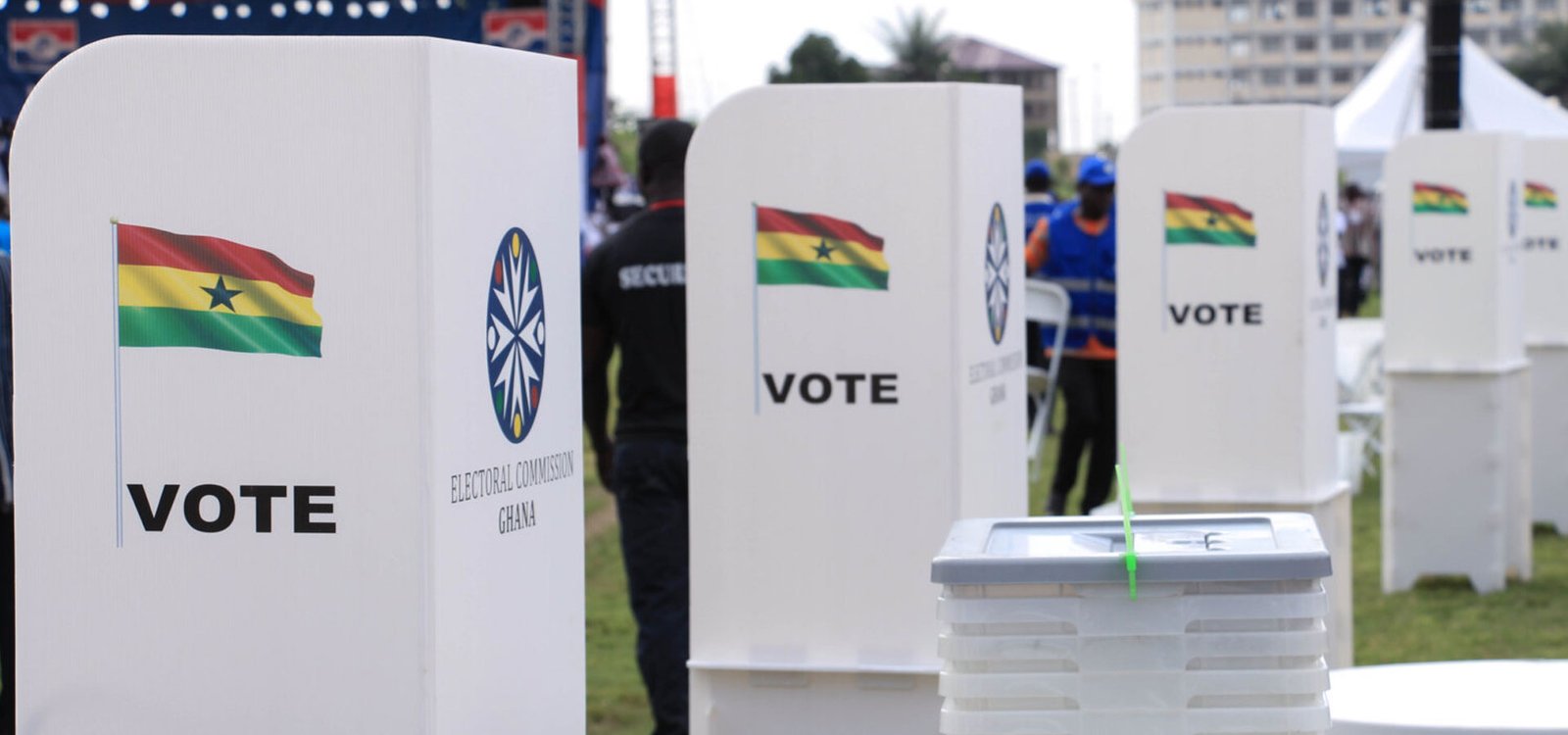
One of the misconceptions about Ghanaian democracy is that we actually elect our representatives; in reality, we choose from candidates selected by political parties. This illusion of choosing our political leaders, when we do not truly have that power, contributes to the delay of people-centred policies. Elected politicians often feel more accountable to the party leadership and the government in power than to the electorate. After being let down by those who made grand promises, the disappointed citizens wait for another four years—if they are fortunate enough to endure the hardships—to once again elect those whom they have sacrificed so much for, often receiving little in return. The Ghanaian democracy, regardless of how well-structured it appears, is an illusion constructed on deception, exploitation, kleptocracy, and incompetence. Change and development entail more than just voting or entertaining the public with hopes, revelry, and loud party songs.
Resetting Ghana would require a moment reminiscent of Nkrumah—a visionary leader with the innate talent, knowledge, skills, and determination to tackle the nation’s challenges without blaming external factors. This leader should prioritize the nation’s interests over temporary material gains. Unfortunately, the current crop of leaders and the prevailing style of leadership are too simplistic and mediocre for my taste. Their policy initiatives often rely on trial and error, with the hope that repeated attempts to solve problems without established strategies will yield different results. This approach can be seen as bordering on insanity or a form of perpetual fatalism.
