
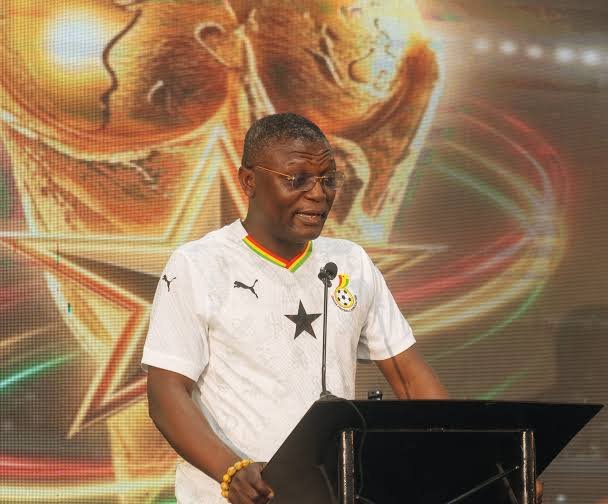
This paper delivers a scathing critique of Kofi Adams, Minister for Sports, Yaw Ampofo Ankrah, former Director General of the National Sports Authority, and their network of cronies. The entrenched institutional corruption—marked by reckless squandering of funds and the enrichment of presidential appointees—casts a dark shadow over President John Dramani Mahama and the NDC government (Gyimah-Boadi, 2017; Arthur, 2015). The rot in the Sports Ministry post-FIFA 2026 World Cup is so severe it renders the Nana Akufo-Addo administration saintly by comparison. The NDC’s slogans of “transparency, accountability, and probity” are hollow, unworthy even for the nation’s strays. President Mahama must move beyond token gestures—like Ankrah’s dismissal—and enforce genuine accountability. The ultimate responsibility lies with Kofi Adams, whose failures tarnish both the ministry and the nation.
In a televised interview on TV3’s Hot Issues (October 11, 2026), Kofi Adams deflected responsibility for alleged visa facilitation payments, placing blame on Nana Boateng Gyimah, CEO of Tribe Culture Fest. Gyimah is accused of pocketing US$611,000 for Ghana’s 2026 FIFA World Cup arrangements—a sum he has yet to refund, despite his denials (Sikaman Times, 2026). This reflexive denial, even in the face of overwhelming evidence, exemplifies Ghana’s culture of impunity and the routine evasion of accountability (Gyimah-Boadi, 2017; Arthur, 2015). The critical question remains: When did Adams learn of Gyimah’s alleged misconduct? Adams’s feeble defence and evasive body language betray complicity, exposing a pattern of criminality cloaked in bureaucratic denial. This is not just malfeasance; it is a sickness at the core of Ghana’s leadership, demanding independent investigation and prosecution.
Adams’ claim that he only learned of the fraud after Ghana returned from the tournament is unconvincing and should be treated with skepticism. The Sports Ministry’s history is rife with extortion scandals—fans have repeatedly been duped with promises of travel visas for major tournaments (Gyimah-Boadi, 2017; Arthur, 2015). As sector minister, Adams’s admission that complaints were filed with the Criminal Investigations Department (CID) is meaningless without action. Predictably, he did nothing, allowing the case to fade—just another example of Ghanaian officials collecting hefty salaries while remaining inert until their term ends (Sikaman Times, 2026). This pattern of neglect and impunity is indefensible and emblematic of the rot at the heart of public administration.
Adams’ defence of paying a “purse holder” US$10,000—absurdly labelled an “honorarium”—is a staggering affront to common sense and fiscal responsibility (Exclusive: Sports Minister Kofi Adams Speaks on 2026 World Cup Scandal; Hot Issues with Kofi Adams, 2026). Nowhere, not even in the world’s wealthiest states, is such largesse justified for a trivial task. An honorarium is, by definition, a modest payment for voluntary service—not a windfall for routine duties (Oxford English Dictionary, 2024). In a nation drowning in debt, where teachers go unpaid, and millions live in dire poverty, this reckless expenditure is indefensible (Gyimah-Boadi, 2017; Arthur, 2015). Adams’ attempt to obfuscate with grandiose language only deepens the insult to struggling citizens and exposes the rot of political privilege over public need.
The NDC party, and by extension Mahama’s government, have strayed from the revolutionary ideals of Flt. Lt. Jerry John Rawlings. However imperfect he was, Rawlings retraced his steps to the path of frugality, discipline, a commitment to the collective and national cause, service and modesty. The brand of politics practiced by the new crop of leaders, especially the younger generation, smacks of boundless exuberance; add-ons who never toiled or witnessed the challenging times of 1979 and the early 1980s and the sacrifices involved in steering the ship to a stable destination, i.e., what is today’s democratic Ghana.
In conclusion, President Mahama must act decisively—dismissing Adams and all officials implicated in this scandal is the only credible path forward. Allowing this disgrace to quietly fade, as has been done with past scandals like the cocaine shipments to Europe, is not leadership but cowardice. Ghanaian politicians, government officials, and elements within the security agencies now stand exposed as men and women of dishonour. This behaviour is tantamount to a predator robbing and then paying off victims with stolen goods—utterly reprehensible. No amount of eloquence, charm, or pious rhetoric should shield such individuals from censure or disqualification from public office. The nation must demand better. Cry, the Beloved Country!
References
Arthur, J. (2015). Political corruption and public accountability in Ghana. African Journal of Public Affairs, 8(2), 34-48.
Exclusive: Sports Minister Kofi Adams Speaks on 2026 World Cup Scandal; LIVE: Hot Issues with Kofi Adams || 11-10-2026
Gyimah-Boadi, E. (2017). Corruption in Ghana: Trends, causes, and consequences. Ghana Center for Democratic Development.
Oxford English Dictionary. (2024). Honorarium. In OED Online. https://www.oed.com
Sikaman Times. (2026, October 12). Kofi Adams accuses Tribe Culture Fest over alleged US$611,000 refund, but CEO denies claim. Kofi Adams accuses Tribe Culture Fest over alleged US$611,000 refund, but CEO denies claim | The Sikaman Times
