
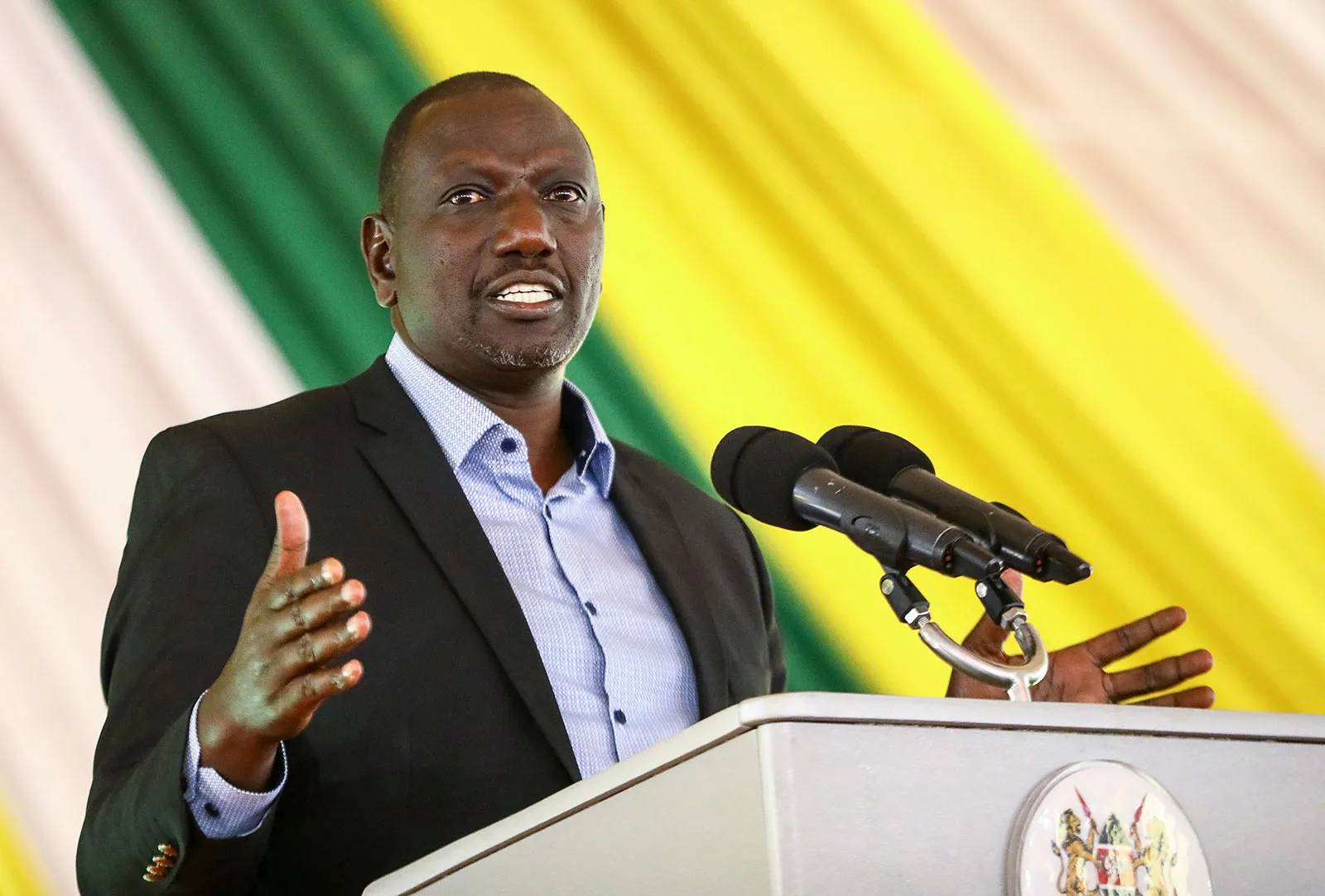
Dearest President William Ruto,
I hope this letter finds you well. I write with deep respect and concern for the future of Kenya and the continent. I urge you not to pursue divisive or xenophobic politics that risk isolating Kenya and undermining the spirit of African unity. History teaches us that scapegoating migrants and stoking xenophobia, especially during political uncertainty, has led to cycles of violence and discord across Africa.
Your recent remarks blaming African migrants for Kenya’s economic challenges threaten the Pan-African ideals championed by leaders like Jomo Kenyatta, Kwame Nkrumah, and Julius Nyerere—who believed in a continent united by solidarity and mutual respect. True leadership means facing economic and social difficulties with responsibility, not by fueling public fear or division.
Since your time in office, many have watched with concern as the government has responded harshly to peaceful protestors. More recently, rhetoric against fellow Africans has risked further division. Yet, I am encouraged by the Kenyan people’s resilience and their commitment to peace and accountability. I hope you will listen to their voices and choose a path of unity, justice, and inclusive leadership.
Your Excellency, I am certain you recognize that postcolonial Africa—including Kenya—faces significant challenges, some of our own making and others stemming from close ties with foreign governments and interests. Too often, external actors encourage displays of strongman leadership and pledge to overlook human rights abuses, using Western lobbyists to polish the reputations of their client states. History has shown that such alliances are transactional and rarely endure. I hope your leadership will put Kenya’s long-term interests and respect for human rights above short-term, external approval.
Your Excellency, allow me to commend the remarkable courage of the Kenyan people—men and women, young and old, from all walks of life—who peacefully took to the streets to express their concerns and protest your recent statement. These citizens showed solidarity with fellow Africans, including Congolese and Burundians, recognizing them as kin deserving of compassion and support during times of political instability. This spirit of unity and empathy echoes the legacy and vision of the late Jomo Kenyatta.
Mr. President, it is vital to recognize that political office is not permanent—leaders are entrusted with power by the electorate and can just as swiftly be replaced. Recent history shows that those who disregard citizens’ rights, like Yahya Jammeh and Macky Sall, have found themselves out of office and in exile. True leadership is not measured by force or suppression of dissent, but by the quality of policies crafted in consultation with the people, attentive listening, and a willingness to adapt for the common good. Unfortunately, your current top-down approach has not reflected this inclusive spirit.
Your Excellency, African unity is an ongoing journey and our only viable path forward. Our continent’s true strength lies in our people—our ability to feel at home across borders, to share histories and struggles, and to inspire one another. Even with limited resources, leaders like Kwame Nkrumah and Ahmed Sekou Toure demonstrated that genuine support and unity can withstand external pressures and foster lasting bonds. This spirit remains essential for Africa’s progress and resilience.
Mr. President, as a proud African, I do not define Africa—Africa defines me. The continent has given me a deep sense of happiness and belonging among fellow Africans, united by shared stories, humour, and respect for our people and leaders. Migrants from Burundi and the Congo, though sometimes perceived as poor, have contributed greatly to Kenya’s development. Through intermarriage and cultural exchange, they have enriched Kenyan society in countless ways, a fact many Kenyans themselves recognize and celebrate.
Your Excellency, I urge you to reconsider your recent remarks, address the nation, and call for peace and unity. True leadership is shown by those who reflect, change course, and make amends when needed. Apologizing for missteps is a mark of strength, not weakness. Kenya stands as a pillar of African unity, and I trust you will help ensure it remains so.
With respect and hope for our shared future,
Patrick Radebe, PhD
