
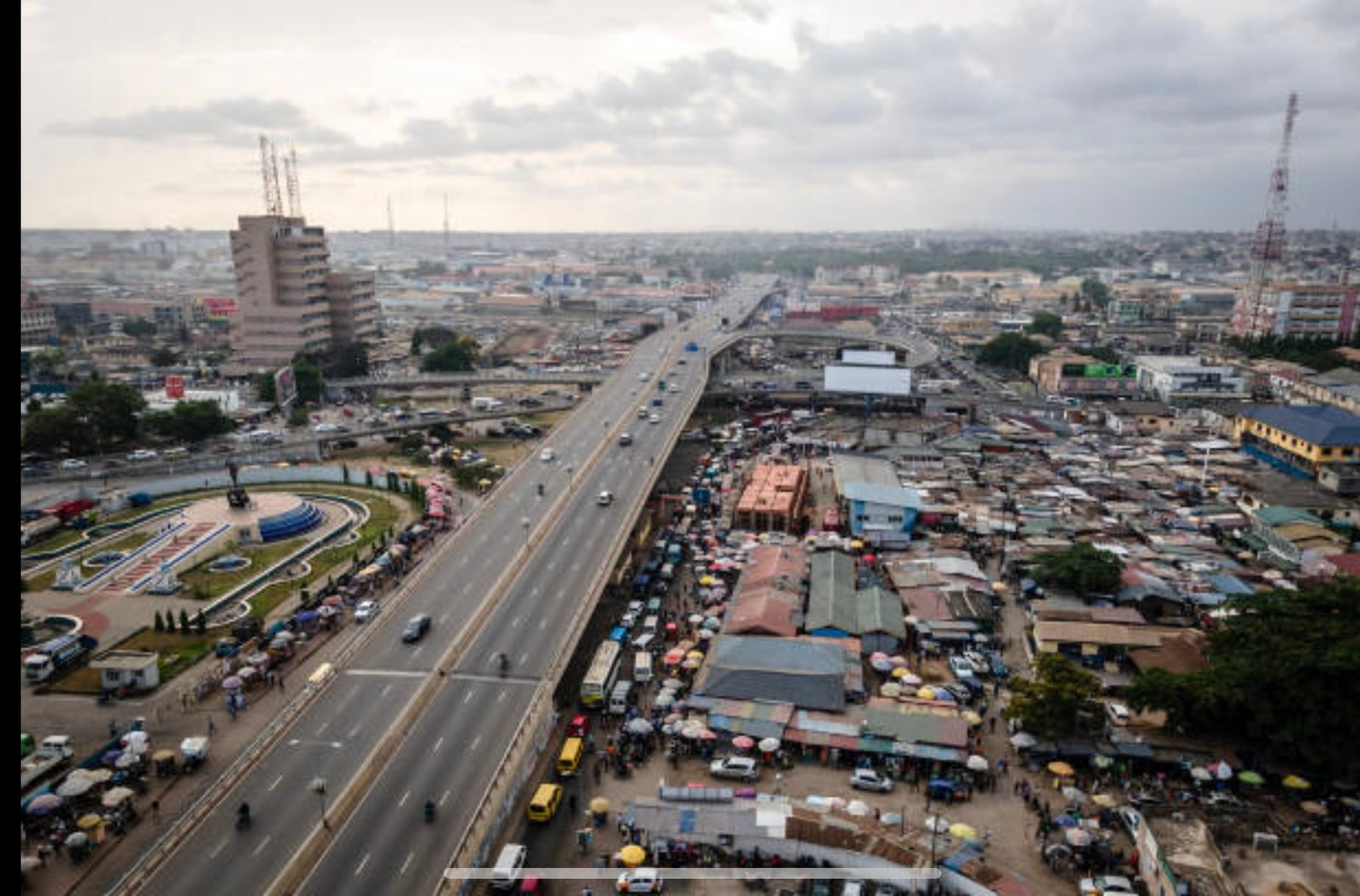
In this commentary, I adopt the mantle of a “garbologist” to expose Ghana’s mounting crisis of filth and neglect. From Achimota to Kwame Nkrumah Circle, Accra’s streets, landfills, and neighbourhoods—especially those crowded with working-class and migrant populations from the nation’s resource- and opportunity-deprived areas and from across West Africa—reek of decay and lawlessness. This is not just about individual aversion to cleanliness or government incompetence; it is a damning portrait of a once-proud capital now drowning in squalor. Colonial landmarks like Osu Castle and Achimota College now stand as faded relics, surrounded by waste and neglect, their cosmetic facelifts masking a deeper rot. Accra’s descent into filth is a national shame—one we can no longer afford to ignore.
In the early days of his presidency, Nana Addo Dankwa Akufo-Addo boldly pledged to make Accra the cleanest city in West Africa—a hollow promise that quickly collapsed under the weight of political expediency and bureaucratic bloat. The creation of the Ministry of Sanitation and Water Resources merely duplicated the work of Municipal Assemblies and the Public Works Department, achieving little but ballooning government and public debt. The ministry’s sole legacy is subcontracting city cleaning to the Jospong Group—Zoomlion—whose underpaid workers, mostly elderly women, labourfutilely under harsh conditions, while party cronies siphon public funds and fill party coffers in preparation for the next election. Far from a “vision” for restoring Accra, this is 21st-century sanitation by 19th-century means, a farce that has persisted under President Mahama’s administration. Accra remains a symbol of unfulfilled promises and institutional rot.
The June 2026 floods laid Accra bare—especially places like Alajo and Avenor—revealing the city as a sprawling dumpsite unfit for human habitation. The Mahama government’s response was denial, mirroring the African vulture of folklore: lazy and shortsighted, ignoring warnings until disaster strikes and then flailing helplessly. These floods exposed Ghanaian leadership as visionless, addicted to reckless borrowing and waste, and utterly incapable of meaningful policy innovation. Unlike Nkrumah, who reserved floodplains to protect the public, today’s leaders have sold out these lands to cronies for their mansions, sacrificing public safety for private luxury. This is not governance—it is gross negligence.
A single taxi ride from Achimota to Kwame Nkrumah Circle exposes Ghana’s utter collapse of governance. Once orderly zones are now soaked in oil from mechanic shops, choked with noise, and jammed with abandoned cars blocking traffic—dangerous for all. Car and motorbike dealers illegally occupy highways and walkways, washing vehicles so runoff floods the roads, all while municipal assemblies and police look on, complicit and idle. Kwame Nkrumah Circle, once a symbol of civic pride, is now overrun by markets, brothels, and chaos. Buses park illegally as police and city officials extort drivers, fueling gridlock. Public urination and open defecation are rampant; market families live in kiosks without sanitation, filling the streets with waste and stench. Those unwilling to pay for garbage collection burn their trash, poisoning the air and endangering neighbours. This is not a city; it’s a testament to state failure.
Nima’s legacy as a dumping ground for waste is a disgraceful testament to governmental neglect. A drive along the Nima highway from Kawokudi Junction to Ring Road reveals a landscape marred by derelict cars, chained motorbikes, mechanic shops encroaching on walkways, mountains of garbage, and roaming cattle leaving dung in their wake—clear evidence of systemic failure.
Why does the government, especially under the NDC and Mahama’s leadership, willfully ignore this filth? The answer is brutally simple: Nima is the NDC’s electoral “world bank”—a stronghold too valuable to disrupt, no matter the public health cost. This blatant disregard for basic sanitation and road safety is not just an indictment of government; it reflects a national apathy, replicated in every arm of policymaking and law enforcement. Ghanaian leaders, like inept family heads, identify problems, stage endless meetings, boast about grand plans, travel for show, squander borrowed funds, and ultimately abandon their vision for personal indulgence. The result? Nima remains a monument to dysfunction and decay.
Both the Akufo-Addo and Mahama administrations have capitulated to the blackmail of densely populated voting blocs, fueling lawlessness, road accidents, and overflowing waste on Ghana’s streets. This is not governance—it is complicity. Political appointees, tasked with city management, waste precious time in endless meetings and pocket sitting allowances, while junior officers in the field extort bribes, enabling lawbreakers to expand unchecked on public roads. The result: a state engineered for dysfunction, not progress.
In conclusion, while the roots of Ghana’s crises may be deep, the remedy is brutally straightforward: impose real, painful consequences on those responsible to deter future negligence. Voters must wield their power—demanding the fulfillment of basic needs like clean water, waste management, and safe streets—and refuse to coddle governments that deliver only empty promises. Settling for perpetual reassurances guarantees nothing but entrenched dysfunction, resentment, and tragedy, as seen in the aftermath of the floods. It is time for voters to stop idolizing politicians and start treating them as the servants they are—accountable to the people for whom their very power and survival depend.
The Mahama government must embrace Machiavellian constitutionalism—enacting ruthless, uncompromising policies that instill both respect and fear of the state. Illegal structures and mechanic shops must be demolished without hesitation; violators must be forced by law to bear the full costs, or face jail. Businesses encroaching on public space should see their assets smashed and penalized until the cost outweighs the benefit, much like the hardline approaches in Singapore and China. Abandoned vehicles must be traced and owners fined relentlessly. Municipal heads who fail to enforce by-laws must be fired. Yet, expecting such decisive action from Ghana’s self-serving political class is wishful thinking. These leaders are the chief enablers of rot, only reacting when international shame exposes Ghana as a nation-state in name only—a reality not lost on critics like myself. Until politicians are forced to act, Ghana will continue its descent into chaos while its leaders pose abroad for applause. Cry, the Beloved Country!
