
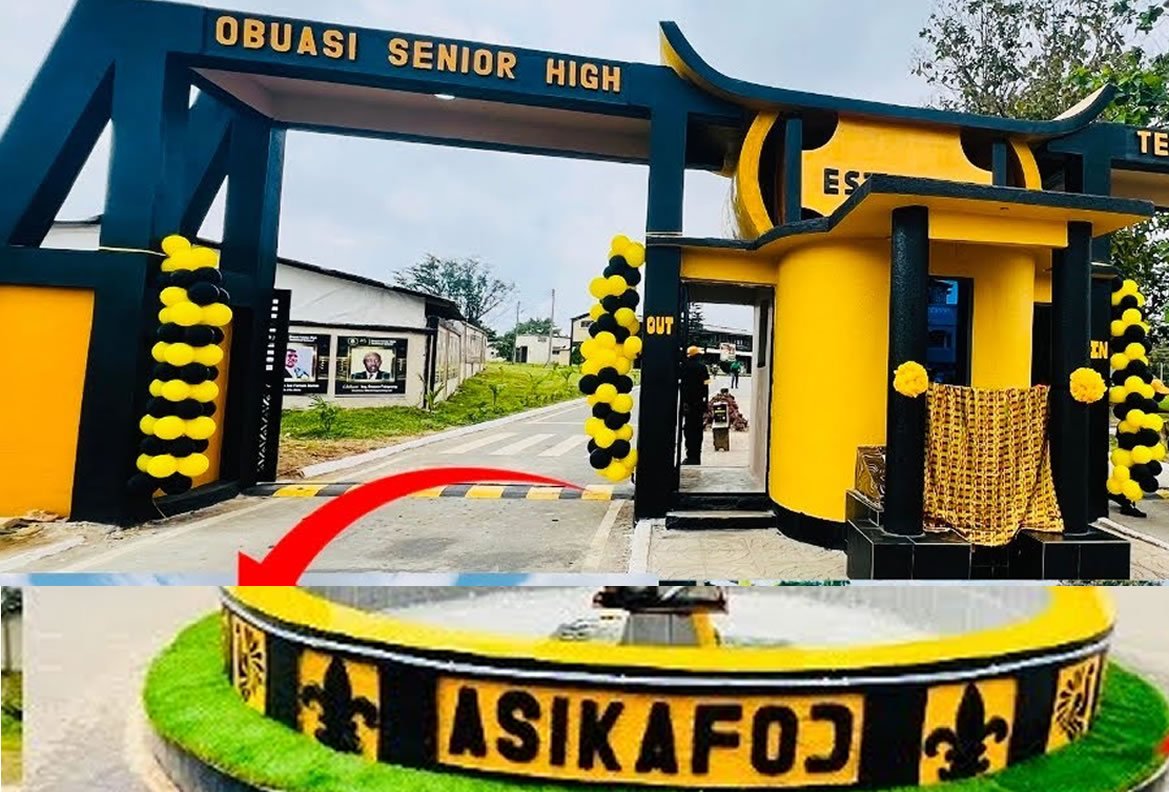
This paper is an unflinching indictment of the Mahama administration, NDC officials—Mustapha Gbande, Asiedu Nketia, Fifi Fiavi Kwetey—the Gender Minister, the Education Ministry, the Ghana Education Service, the Vice President, and the First Lady. Their collective silence on the abuse of sixteen girls at Obuasi Secondary Technical School is unconscionable (Daily Graphic, 2026; GhanaWeb, 2026). I do not presume to speak for the victims, but I refuse to remain silent while power protects predators and punishes the vulnerable.
The silencing of these girls and their families is not an aberration; it is the product of a culture that still treats women as property, relegating even the most grievous abuses to the margins (Adinkrah, 2011; Tamale, 2020). Despite rhetorical celebrations of women’s achievements, young girls remain disposable—secondary actors in a national drama that privileges male impunity. The deliberate attempts to muffle their voices underscore the entrenched rape culture in Ghana, where perpetrators are shielded, and victims are left to endure lifelong trauma (Amadiume, 2015; Gyekye, 2010). This is not progress; it is complicity. Ghana cannot claim moral or social advancement while rape culture thrives unchecked.
Let’s be unequivocal: Ghanaian political elites and government appointees are complicit in, and in some cases perpetrators of, sexual violence. There are documented cases where officials, protected by power, have raped relatives and justified their acts as “cultural,” all while flaunting their impunity (Adinkrah, 2011; Tamale, 2020). High-profile figures—some holding prominent positions in the Mahama government—have been implicated in sexual assault, yet remain unaccountable, shielded by a toxic culture of silence and influence (Daily Graphic, 2026; GhanaWeb, 2026). The abuse is not isolated; it is systemic. Elderly men openly grope young girls, calling them “future wives,” normalizing predatory behaviour that is both a social joke and a national disgrace (Amadiume, 2015). This is not just moral decay; it is institutionalized rape culture, sustained by the very leaders entrusted to protect the vulnerable.
In any nation committed to the rule of law, this case would have resulted in swift prosecution and multiple life sentences—no parole, no leniency. In Ghana, however, we witnessed a grotesque reversal: whistleblowers—teachers, students, and administrators—were punished, while the police orchestrated a cover-up, and officials offered little more than tepid platitudes (Adinkrah, 2011; Tamale, 2020). The so-called female advocates, including the Vice President, responded only after public outcry, offering excuses rather than action—a shameful abdication of duty (Daily Graphic, 2026; GhanaWeb, 2026).
The NDC’s official response was a masterclass in obfuscation: contradictory statements, half-truths, and a laughable insistence on “suspension” rather than outright dismissal of the headmaster. Ghastly still, party officials defended the indefensible, with one Nortey publicly normalizing rape and asking fellow panellists if they had “never raped a woman” (Amadiume, 2015). This is the calibre of leadership presiding over Ghana—political elites who plunder the treasury and parade as champions of gender empowerment at international conferences, while rape culture festers at home. This is not governance; it is moral and institutional decay.
What is most egregious—and wholly predictable—in this sordid affair is that, despite private admissions of guilt, the Ghana Education Service’s committee chose not to punish the headmaster. Instead, they scapegoated the victims as “mini-Eves,” blaming them for tempting the perpetrator—an appalling display of incompetence and institutional rot (Anarfi & Osei, 2017; Oduro, 2022). In a characteristically cowardly move, the headmaster was left at his post, effectively burying the scandal and silencing dissent, a common tactic among Ghana’s elite (Owusu-Ansah, 2016).
The abuse of power continued when Blakk-Rasta, a pseudo-journalist with a documented history of biased reporting (Ahiabenu et al., 2018), interviewed the headmaster and asked if one of the victims was a “bad girl.” This question is not just sexist and ignorant—it is a grotesque reinforcement of rape culture and victim-blaming (Adomako Ampofo & Asiedu, 2020). Such conduct by both the education authorities and the media reveals a toxic alliance, turning the machinery of the state and press into tools of oppression and impunity. This is not just failure—it is institutionalized misogyny and a national disgrace.
The devastating fallout of this tragedy extends far beyond empty promises of counselling and official statements. Ghana is now recognized not just as a nexus for online scams and cocaine trafficking, but as a nation where state institutions—especially high schools—are breeding grounds for sexual violence, met with institutional silence and impunity. The consequences are chilling: shattered victims, communities stripped of trust, and a rising tide of defiance that further endangers the vulnerable.
The so-called remedies—therapy, press releases, and bureaucratic shuffling—are a farce. Real reform demands the immediate reinstatement of teachers and students punished for defending victims, the dismissal and prosecution of the headmaster, the suspension of complicit Ghana Education Service officials, and the removal of police officers who obstructed justice. Women should withhold their votes in protest until these demands are met and survivors are fully rehabilitated and reassigned.
Until Ghana acknowledges its pervasive rape culture and acts decisively, Obuasi is just the beginning—one of countless horrors yet to surface. The nation’s elite live in denial, deferring justice and security for the powerless, while girls—once the future mothers of the nation—are left unprotected and discarded. Ghana’s failure to defend its most vulnerable betrays the very foundation of nationhood. Unless the government confronts this crisis head-on, it will remain a banana republic—ruled by the connected, devoid of justice, and stripped of patriotism. The headmaster belongs in prison for life. Until the state and NDC act, they are complicit in this moral collapse. Cry, the beloved country.
References
Adomako Ampofo, A., & Asiedu, A. B. (2020). Rape culture and the politics of blame in Ghana. Feminist Africa, 26, 31–51.
Adinkrah, M. (2011). Criminalizing rape in Ghana: The role of the state, NGOs, and international agencies. African Journal of Criminology and Justice Studies, 5(2), 1-31.
Ahiabenu, K., Ofosu-Peasah, G., & Sam, A. (2018). Media ethics and accountability in Ghana: The case of Blakk-Rasta. Journal of African Media Studies, 10(2), 233–246.
Amadiume, I. (2015). Male Daughters, Female Husbands: Gender and Sex in an African Society. Zed Books.
Anarfi, J. K., & Osei, R. D. (2017). Challenges in addressing sexual violence in Ghana. African Population Studies, 31(1), 3702–3714.
Daily Graphic. (2026, May 15). Silence in high places: Obuasi girls’ ordeal and Ghana’s rape culture. https://www.graphic.com.gh/news/general-news/silence-in-high-places-obuasi-girls-ordeal.html
GhanaWeb. (2026, May 16). Obuasi abuse case: National outrage as leaders remain silent. https://www.ghanaweb.com/GhanaHomePage/NewsArchive/obuasi-abuse-case-national-outrage
Gyekye, K. (2010). African Ethics: Ghanaian Philosophical Studies, II. Council for Research in Values and Philosophy.
Oduro, G. Y. (2022). Institutional responses to sexual abuse in Ghanaian schools: Policy, practice, and politics. International Journal of Educational Development, 92, 102600.
Owusu-Ansah, F. E. (2016). The politics of administrative transfers in Ghana’s education sector. African Studies Review, 59(1), 123–139.
Tamale, S. (2020). Decolonization and Afro-Feminism. Daraja Press.
